What soft washing and pressure washing actually do
Soft washing generally combines compatible chemistry with controlled application and rinsing. On suitable organic growth, pollen, mildew-like film, and some atmospheric soil, dwell time and chemistry can do much of the cleaning work with less reliance on water impact. Low pressure is not automatically safe: dilution, dwell, overspray, rinsing, plant protection, glazing protection, surface temperature, and runoff still need to be controlled. The process only makes sense when the chemistry and handling fit the material and deposit.
Pressure washing relies more on water impact. It may fit durable, compatible concrete, curbs, selected loading surfaces, service yards, and hardscape after pressure at the surface, nozzle, distance, flow, angle, and drainage are reviewed. Excess impact can etch or expose concrete, disturb mortar, lift paint, mark EIFS, damage sealants, drive water into joints, or leave lines. A pressure number by itself does not describe the method or predict the result.
- Ask what the deposit is before choosing the tool.
- Treat pressure, chemistry, dwell, rinse, and protection as one method plan.
- Use a test area on representative brick, concrete, metal, glass, or coatings.
- Separate cleaning from repair, restoration, leak diagnosis, and coating replacement.
Let material and deposit guide the Altoona decision
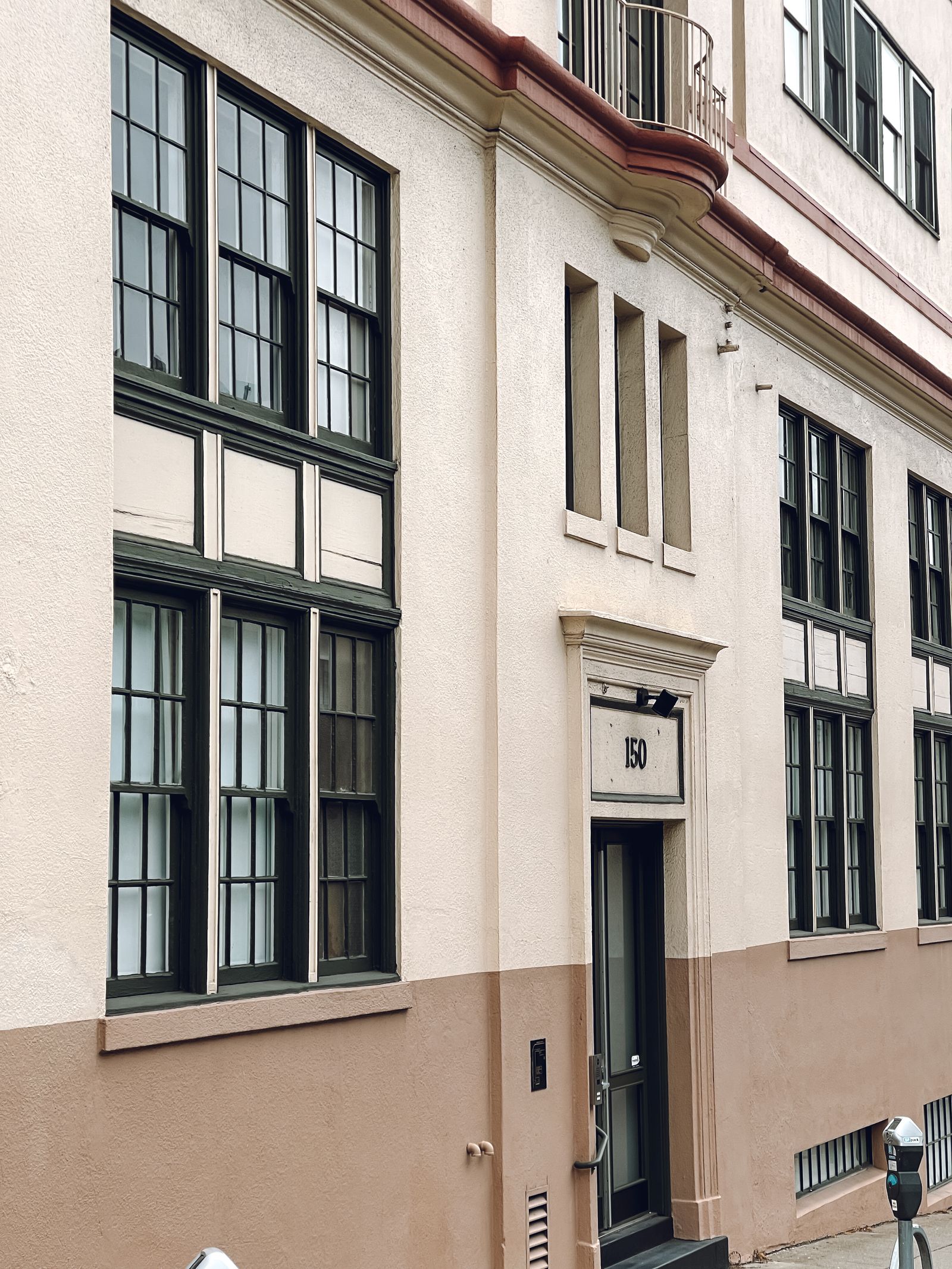
Brick and mortar need review for porosity, joint condition, age, previous repairs, and water absorption. Concrete may accept controlled pressure on a durable apron while needing a gentler approach where it is cracked, coated, polished, spalled, or close to an opening. Metal panels may show oxidation, chalking, exhaust, salt, or coating failure rather than organic growth. Glass, stucco, EIFS, painted areas, stone, composite panels, awnings, sealants, and canopies all require compatibility review. A single facade can contain several of these materials around a storefront, sign band, entry, or repaired section.
The deposit's color and location provide clues but do not prove its cause. Green or dark film on a shaded, damp wall may be a candidate for compatible soft washing. White crust can be mineral or salt residue. Rust-colored bleed may be corrosion or runoff from metal. Black film may be soot or traffic soil. Streaking under a parapet may be water movement. Altoona's snow, ice, road salt, rain, and freeze-thaw cycles can layer deposits together, so testing and documentation matter more than choosing a machine by habit.
A cleaning quote should say what improvement is expected and what remains uncertain. It should not promise that every mark will disappear when the cause may be oxidation, efflorescence, embedded film, a failing coating, damaged masonry, or a roof-edge defect. A responsible recommendation may include cleaning one zone and referring another to a mason, roofer, painter, metal specialist, or building-envelope professional.
Compare the methods by Altoona property setting
Downtown Altoona work can involve narrow sidewalks, curb parking, older masonry, restaurants, tenant doors, public activity, and limited staging. A softer, controlled approach may help protect a mixed-material storefront, but it still needs pedestrian separation and a plan for runoff down a sloped walk. Logan Valley retail and nearby shopping areas add storefront glazing, signs, shared drives, customers, deliveries, and opening-time deadlines. The best method is the one that leaves the property usable while protecting glass, entries, landscaping, and adjacent tenants.
Pleasant Valley medical and office properties may prioritize patient drop-off, accessible paths, privacy, air intakes, quiet work windows, and emergency access. A method that is technically effective but blocks a clinic entrance or creates a wet crossing is not a complete commercial solution. Rail and industrial corridors can have durable concrete yards where controlled pressure is reasonable, while broad metal walls or painted areas may need a lower-impact, tested process. Dust, exhaust, salt, and organic film may coexist, so a hybrid scope can be more honest than one setting across the property.
- Downtown: protect narrow public routes, older masonry, tenant doors, and curb access.
- Retail: sequence storefronts, signs, drive aisles, glass, deliveries, and opening hours.
- Medical: keep accessible routes, patient drop-off, air intakes, and emergency paths controlled.
- Industrial and rail corridors: separate durable yard surfaces from metal, paint, joints, and equipment.
Include weather, steep access, and runoff in the comparison
Altoona's humidity, shaded hills, snow, ice, salt, spring pollen, rain, wind, and freeze-thaw movement affect both methods. A shaded brick wall may stay wet while a sunlit metal wall dries quickly. Winter residue may need a different rinse and expectation than organic staining. Rain can dilute chemistry and move soil toward an inlet; wind can move spray, dust, hoses, and barriers; lightning, slick pavement, and overnight freezing can make either method unsuitable. The National Weather Service State College forecast and current site conditions should inform the work window.
Steep drives, retaining walls, stairways, split-level lots, narrow shoulders, and snow-obscured low points change where equipment can stand and where water will travel. Review footing, vehicle positioning, lift access, overhead utilities, trees, guardrails, signs, public routes, and hose crossings. A pressure washer is not a runoff plan, and a soft-wash label is not a protection plan. The method should be paired with barriers, spotters, plant and equipment protection, drainage controls, and a pause trigger.
Runoff controls depend on product, soil load, rinse volume, slope, vegetation, drain type, and site requirements. Possible controls include diversion, recovery, collection, filtration, reduced rinse volume, plant protection, disposal, or coordination with the responsible authority. EPA stormwater guidance treats non-stormwater discharges as a concern in municipal storm sewer systems, so the quote should make the water path and assumptions visible. A nearby catch basin is not automatic authorization for treated water or sediment to enter it.
Use access technology as one part of the method
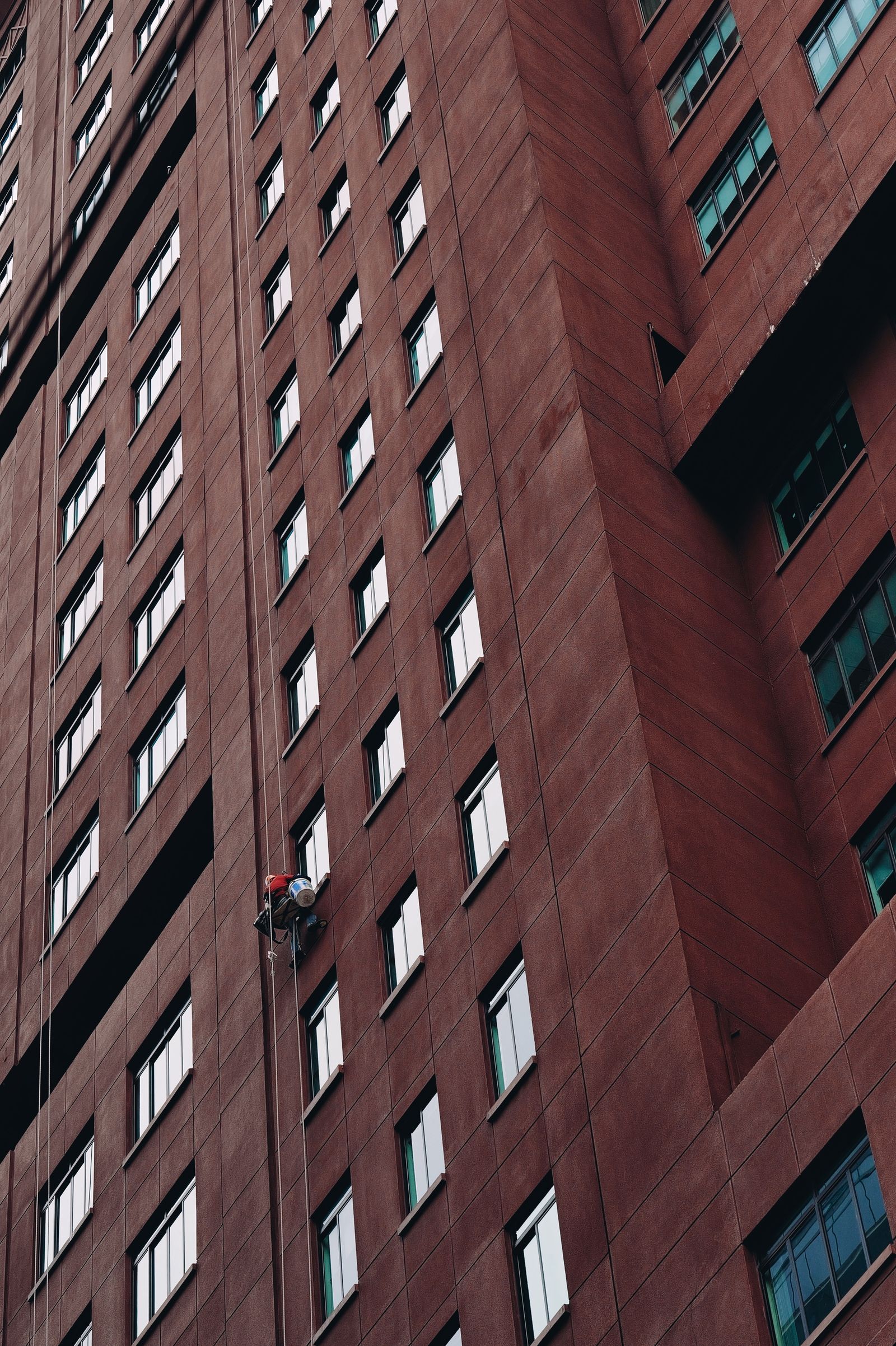
Aerial assistance may support a broad upper wall or parapet when launch and recovery space, wind, stand-off distance, visual control, public separation, facade compatibility, and runoff planning are all workable. It does not replace a close condition review, contact glass cleaning, hand detailing around signs and trim, or repair. A lift may offer direct access but require a stable setup area, traffic control, and more room on a steep or occupied site. Water-fed poles and ground methods may be efficient for selected elevations. A hybrid plan should name the method by zone.
Commercial drone operations remain subject to applicable Federal Aviation Administration requirements. Altoona utilities, trees, rooftop equipment, rail activity, roads, neighboring buildings, and public movement can change feasibility. The quote should identify proposed aerial areas, ground controls, weather limits, and fallback access. If those controls are not adequate, the right decision is to change the method or work window, not force the original plan.
Ask for a comparison you can approve
Send photos of the main entry, shaded lower wall, upper elevation, roof edge, windows, loading area, landscaping, and parking-side drainage. Include the address, building use, approximate height, materials, operating and security limits, water access, steep approaches, nearby drains, desired timing, and the result that matters. Ask the proposal to identify included elevations, test areas, chemistry or pressure approach, access equipment, barriers, protection, weather triggers, runoff assumptions, closeout documentation, and exclusions.
A defensible Altoona recommendation may use soft washing on compatible organic film, controlled pressure on a tested durable concrete zone, a pole for selected glass, hand work around entries, and another trade for damaged joints or coatings. Compare the method, finish expectation, site controls, and operating impact rather than the lowest number alone. To discuss the property, call +1 239-351-2897 or email contact@dronebuildingcleaners.com to get in touch with Drone Building Cleaners and request a quote.